Product Overview
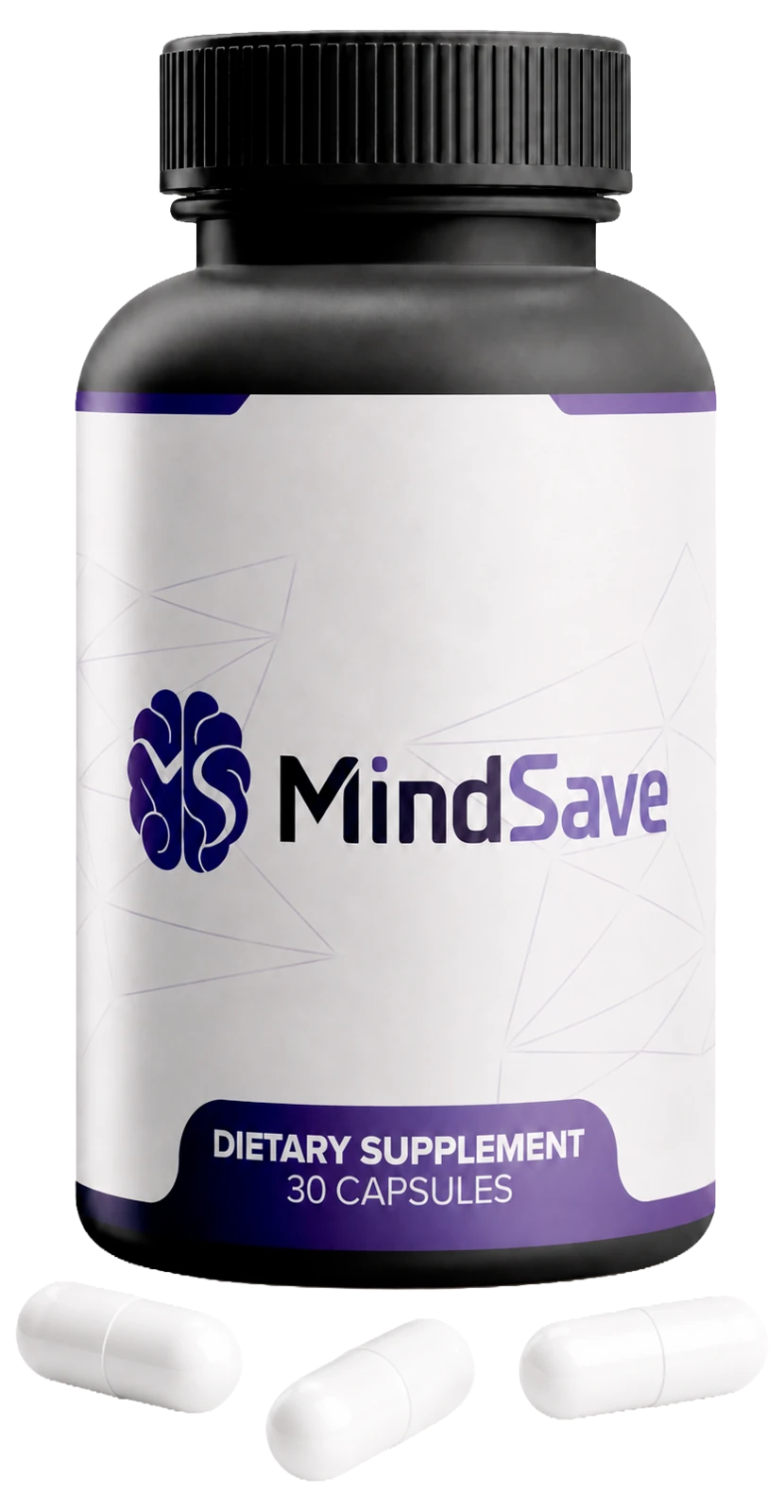
Supplied packaging presents MindSave as a dietary supplement in a 30-capsule bottle. Confirm the latest label before relying on any product detail.
This page offers a clear, balanced introduction to MindSave and the questions people may want to ask before exploring the product. It prioritizes careful reading, realistic expectations, and informed wellness decisions.
Product details can change. Check the latest official product information for current details.
Explore MindSave through a clear, measured experience.
Understand the topic and key considerations in one place.
Place product research within a broader wellness context.
Find useful questions to ask before exploring further.
About MindSave
The supplied packaging identifies MindSave as a dietary supplement and shows a bottle containing 30 capsules. Formulation, directions, manufacturer, and current availability should be verified from the latest complete product information.
MindSave is a product people may encounter while researching cognitive-lifestyle and general wellness choices. Its name naturally invites questions about mental wellbeing, daily clarity, focus, and the habits people use to support demanding routines. A name, however, is not evidence of a particular outcome. The most responsible starting point is to distinguish what can be seen from what still needs to be confirmed.
The authentic packaging supplied for this guide presents MindSave as a dietary supplement in capsule form, with 30 capsules shown on the front label. Beyond those visible details, this page does not invent a formula, serving direction, biological mechanism, clinical result, or manufacturing claim. Anyone considering the MindSave product should consult its current full label and seller information before making a decision.
Some visitors may have seen the name in an advertisement. Others may be comparing wellness products, looking for MindSave ingredients, searching for a MindSave review, or trying to understand how MindSave fits into an everyday routine. These are reasonable research goals. They become more useful when the search moves beyond a headline and examines the complete information available.
A strong evaluation asks practical questions: What exactly is in the current product? Who supplies it? What directions and warnings appear on the label? Does it suit a person's dietary preferences? Are there allergies, sensitivities, medicines, or health considerations that should be discussed with a qualified professional? The answers matter more than an attention-grabbing phrase.
Interest in cognitive wellness often overlaps with sleep, nutrition, movement, hydration, stress, work patterns, and time away from screens. MindSave may be of interest as a product to explore, but it should not be framed as a replacement for those foundations. A thoughtful approach considers the whole routine rather than assigning unrealistic power to one purchase.
That is what makes the MindSave topic worth examining carefully. It sits at the intersection of product information, personal expectations, and everyday habits. The goal of this guide is not to predict an individual result. It is to make the evaluation process easier, clearer, and more grounded.
Discover MindSaveQuick orientation
A concise framework for separating visible facts, open questions, and useful next steps.
Supplied packaging presents MindSave as a dietary supplement in a 30-capsule bottle. Confirm the latest label before relying on any product detail.
The capsule presentation and compact bottle are visible. Formula, serving directions, and product claims require current source verification.
Do not infer intended outcomes from the name alone. Use the complete current label to understand how the product is positioned.
Consider any wellness product alongside sleep, food, activity, hydration, stress, and sustainable routines—not instead of them.
Prioritize a readable label, complete formulation, directions, warnings, seller identity, and clear purchase terms.
Ask what is verified, what is promotional, what applies personally, and what may require qualified professional guidance.
MindSave features
Rather than exaggerating product claims, these features focus on the information and decisions a careful visitor can assess.
Editorial principle
A useful MindSave guide should make uncertainty visible. When a detail is not verified, the right answer is to check the latest official product information—not fill the gap with assumptions.
The supplied MindSave bottle imagery shows a capsule-format dietary supplement. Capsules may be familiar to many wellness shoppers and the package states a count of 30 capsules. That is a presentation detail—not a dosage instruction. The appropriate serving, timing, storage, and other directions must come from the current label.
Format can affect preference, but it does not establish effectiveness. People who have difficulty swallowing capsules, follow particular dietary practices, or have ingredient sensitivities should examine the complete product details rather than assume compatibility.
This page brings the main research questions into one clear reading experience: what MindSave is, why people explore it, how to review product information, and where lifestyle context belongs. Convenience here means easier orientation—not a promise that the product will be suitable or produce a particular experience.
The most useful next step is still direct verification. Product pages, labels, and seller terms can change, so any summary should be treated as a starting point rather than the final authority.
Consumers may want to understand whether a wellness product can be integrated practically into an existing routine. That question includes more than remembering to take something. It can involve dietary preferences, allergies, other supplements, medicines, work schedules, travel, and professional advice.
MindSave may be explored as one element within a broader routine. It should not be used to excuse consistently poor sleep, inadequate nutrition, chronic dehydration, or the absence of appropriate medical care.
Transparent product research separates confirmed details from suggestions and imagery. This guide confirms only what is visible on the supplied packaging and avoids repeating unverified ingredient, mechanism, study, certification, price, or outcome claims.
Before making a purchase, look for a complete label, identifiable seller, customer-support contact, purchase terms, delivery information, and return conditions. If essential information is absent, waiting is a valid decision.
Want to inspect the current product page yourself? Use the destination below and verify that the listing is active and complete.
Visit the MindSave Page
Balanced perspective
Interest is not evidence of a guaranteed benefit. Individual experiences can vary.
MindSave benefits
People may explore MindSave for many reasons. Some are curious after seeing the product. Some are interested in cognitive wellness as part of a broader conversation about daily routines. Others may be comparing convenient wellness options or looking for clear product information before spending money.
Potential interest should not be confused with a promised outcome. This page does not claim that MindSave improves memory, raises intelligence, prevents disease, guarantees focus, or treats any condition. Those are serious claims that require appropriate evidence and context. A responsible MindSave review begins with what can be verified.
For some visitors, the most valuable benefit of research is clarity—even if that clarity leads them to wait, ask a professional, or choose a different approach. Good decisions are not measured only by whether a purchase happens.
A simple process
Without verified formulation and mechanism information, the most accurate answer is a decision process—not a biological claim.
Understand what MindSave is, note what the supplied packaging confirms, and identify the product details that still need current verification.
Review the full label, formulation, directions, warnings, seller identity, and purchase terms. Separate factual information from promotional language.
Consider your goals and personal circumstances. Visit the destination and make an informed choice based on complete, current information.
MindSave guide
A practical, grounded framework for reading product information and making a decision that respects your circumstances.
Begin with the narrow set of facts that can be supported. The supplied imagery identifies MindSave as a dietary supplement, shows capsules, and states 30 capsules on the front of the bottle. It does not give this guide enough reliable information to state a complete formula, serving direction, manufacturer, clinical evidence base, or expected outcome.
This distinction protects readers from a common research problem: repeated marketing language can begin to feel like proof simply because it appears on several pages. Multiple sites may copy the same claim from one source. Verification means finding current, complete information and understanding who is responsible for it.
If the destination page is unavailable or incomplete, pause. A broken page, missing label, or unclear seller identity is not something a separate editorial page should fill with guesses.
MindSave may be of interest to adults researching wellness products connected with cognitive-lifestyle themes, people comparing capsule formats, or visitors who encountered the brand and want context before exploring further. Interest can also come from a desire to make routines feel more intentional.
That does not mean the product is suitable for every interested person. Suitability depends on the actual formulation and individual circumstances. Pregnancy or nursing, age, allergies, sensitivities, dietary restrictions, health conditions, medicines, and use of other supplements may all be relevant. A qualified healthcare professional can help interpret those factors when appropriate.
Use a source-first approach. Start with the current product label and a page that clearly identifies the seller. Compare the product name, format, quantity, and visual presentation. Read the entire page, including qualifications, warnings, and purchase terms—not only the largest headline.
Then classify the information. Packaging facts, seller contact details, and written terms can often be checked directly. Descriptions of intended use should match the label. Testimonials are individual accounts, not evidence of a typical result. Lifestyle imagery creates context but does not prove effectiveness. Scientific-sounding language is not automatically a clinical finding.
Write down unresolved questions. This small step prevents a smooth page design or limited-time message from replacing analysis. If a question matters to your safety, budget, or expectations, seek a reliable answer before proceeding.
Confirm the complete formulation or ingredient list, serving directions, warnings, quantity, seller identity, support contact, delivery coverage, total cost, recurring-payment status, and return conditions. Product availability and terms can change, so look for information that applies at the time you order.
Check that the page uses a secure connection and clearly explains what happens after payment. Avoid assuming that “official” in a search result or link label proves authorization. Evaluate the page itself. If checkout information conflicts with the product page, do not rush to resolve the contradiction in the seller's favor.
Read from specific to general. The facts panel or complete label should come before broad benefit language. Note serving size separately from the number of capsules in a bottle; package quantity alone does not reveal the intended daily use. Review all listed components, including inactive ingredients, when dietary choices or sensitivities matter.
Watch the verbs. “Supports,” “may help,” “designed for,” and “clinically proven” do not mean the same thing. Each statement requires its own context and evidence. This guide does not validate any such MindSave claim. If evidence is cited, check whether it concerns the finished product, an individual ingredient, a different amount, or a different population.
What is my actual goal? Is that goal realistic for a product? What information is verified? What remains unclear? Does the label suit my dietary needs? Could this overlap with another supplement or medicine? Is professional guidance appropriate? What would make me stop using it? How will I avoid mistaking normal day-to-day variation for a product effect?
These questions create a useful decision boundary. They also reduce the temptation to treat purchase momentum as proof. A responsible seller should make basic product and policy information easy to find.
Realistic expectations begin with the understanding that wellness is multi-factorial. Sleep quality, meal patterns, physical activity, hydration, stress, workload, social connection, medical needs, and environment can all affect how a person feels and functions. A single product does not control that entire system.
If someone chooses to explore MindSave, it can be useful to avoid changing many other habits at the same time. That does not create a scientific trial, but it may reduce confusion about a routine. Never continue a product merely to justify the purchase. Follow current directions and seek help if concerning symptoms occur.
A product decision can be paired with a routine review. Is bedtime consistent? Are meals varied and sufficient? Is water available during demanding work? Is movement built into long periods of sitting? Are there breaks from notifications and screens? Is stress being addressed in sustainable ways?
These questions are not a dismissal of product interest. They are the context that makes wellness thinking more complete. MindSave should not be presented as replacing these habits, and this page makes no claim that it can compensate for their absence.
People differ in physiology, health, routines, expectations, diet, sleep, medicines, other supplements, and countless environmental factors. The same person can also feel different from one week to another. That makes universal predictions inappropriate.
Reviews can help reveal questions about packaging, delivery, or usability, but they cannot guarantee an outcome. Especially dramatic positive or negative accounts deserve context. The soundest decision combines current product facts, personal circumstances, realistic expectations, and qualified advice when needed.
Whole-routine thinking
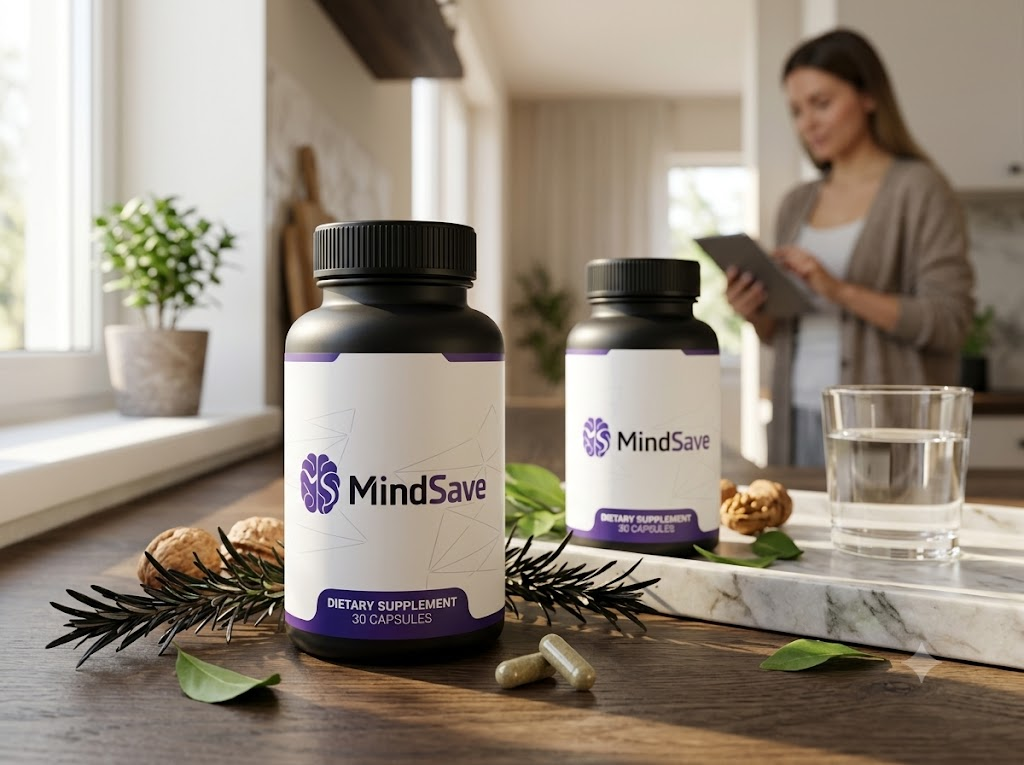
Wellness decisions rarely exist in isolation. MindSave may be explored as a product, but it should not replace the daily foundations that support general wellbeing. A balanced view keeps those foundations visible.
Sleep
Nutrition
Activity
Hydration
Stress care
Daily routines
Work habits also matter: realistic schedules, focused intervals, breaks, boundaries, and time to recover can influence daily experience. Healthy lifestyle choices are not competing products. They are the environment in which any product decision should be considered.
Before you continue
A thoughtful checklist slows the process just enough to spot missing information and personal factors that a general page cannot evaluate for you.
Learn More About MindSaveNeutral comparison
These are different kinds of decisions. The table offers a research framework—not a competitor ranking or a claim of superiority.
| Consideration | MindSave | General wellness approach |
|---|---|---|
| Product-specific information | Review available current product details | Depends on the chosen routine or resource |
| Lifestyle role | May be explored as part of a routine | Usually centers on broad daily habits |
| Personalization | Depends on formulation and individual circumstances | Highly individual and adaptable |
| Research required | Verify label, seller, directions, and terms | Research relevant lifestyle practices and sources |
| Professional guidance | May be appropriate depending on circumstances | May be appropriate depending on circumstances |
MindSave FAQs
These answers stay within the information currently available and identify when the product label or qualified guidance should take priority.
Review the available information, check that the product destination is active and complete, and take the next step only when you feel informed.